
Seasonal Tips for Managing Lymphedema During Canadian Winters


Understanding Lymphedema in Winter
Lymphedema, a condition characterized by swelling due to lymphatic fluid buildup, can be particularly challenging to manage during the harsh Canadian winters. Cold temperatures and dry air can exacerbate symptoms, making it crucial to adopt strategies tailored to the season. By understanding these challenges, individuals can take proactive steps to manage their condition effectively.
Stay Warm and Layered
One of the most important things you can do to manage lymphedema in winter is staying warm. Cold temperatures can restrict blood flow, leading to increased swelling and discomfort. Wear layers of clothing to trap heat and ensure you remain warm throughout the day. Opt for breathable fabrics to prevent moisture buildup, which can irritate the skin.
Additionally, protecting your extremities is crucial. Wear gloves and warm socks to keep your hands and feet insulated. Consider thermal wear if you’re spending extended periods outdoors.
Maintain Skin Hydration
The dry winter air can lead to skin dryness, which may cause cracks and infections, especially in the swollen areas. To counter this, apply a rich, unscented moisturizer daily. Focus on areas prone to dryness, and reapply as necessary throughout the day.
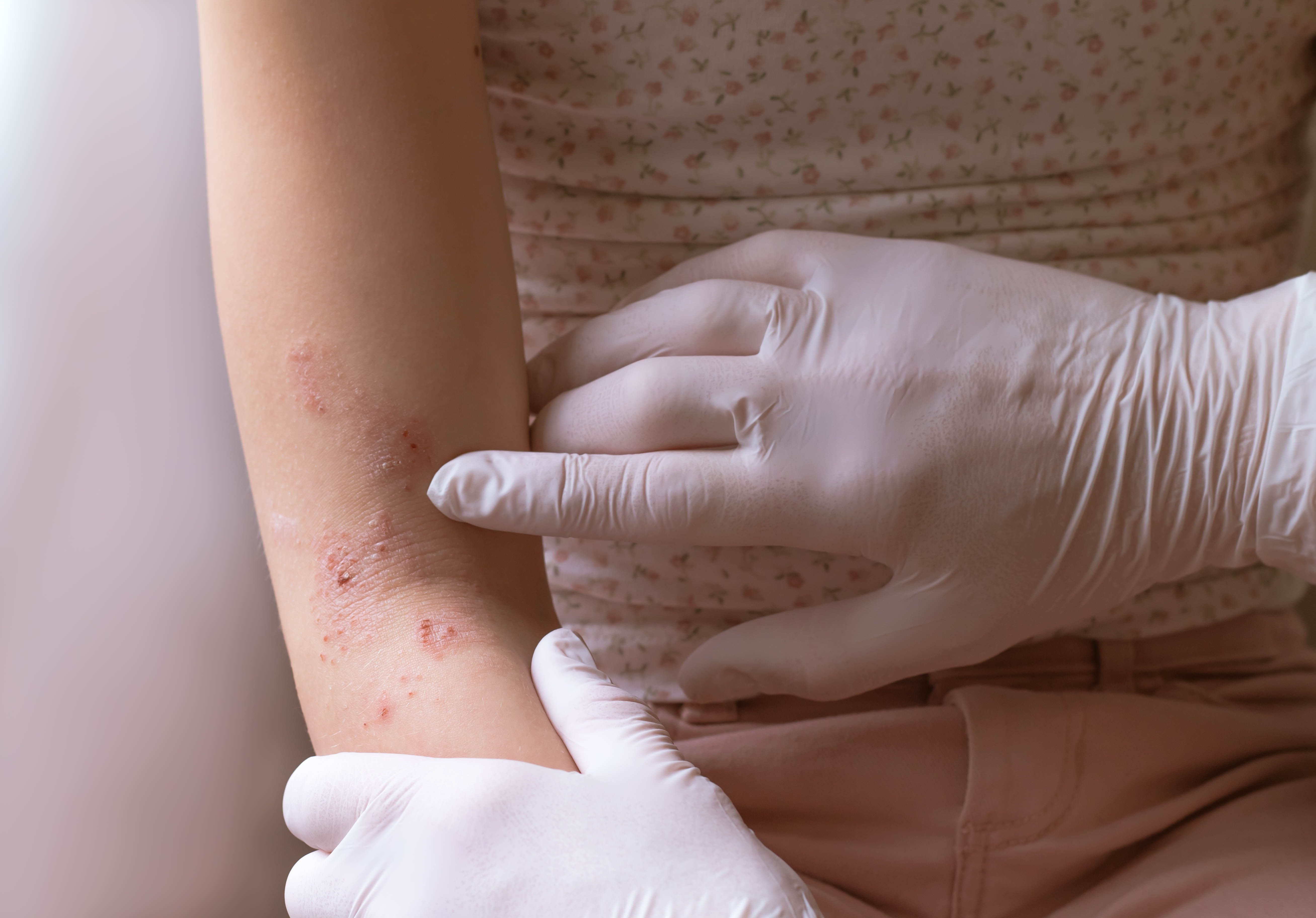
It’s also advisable to use a humidifier indoors to maintain adequate humidity levels, which can help keep your skin from drying out.
Exercise Regularly
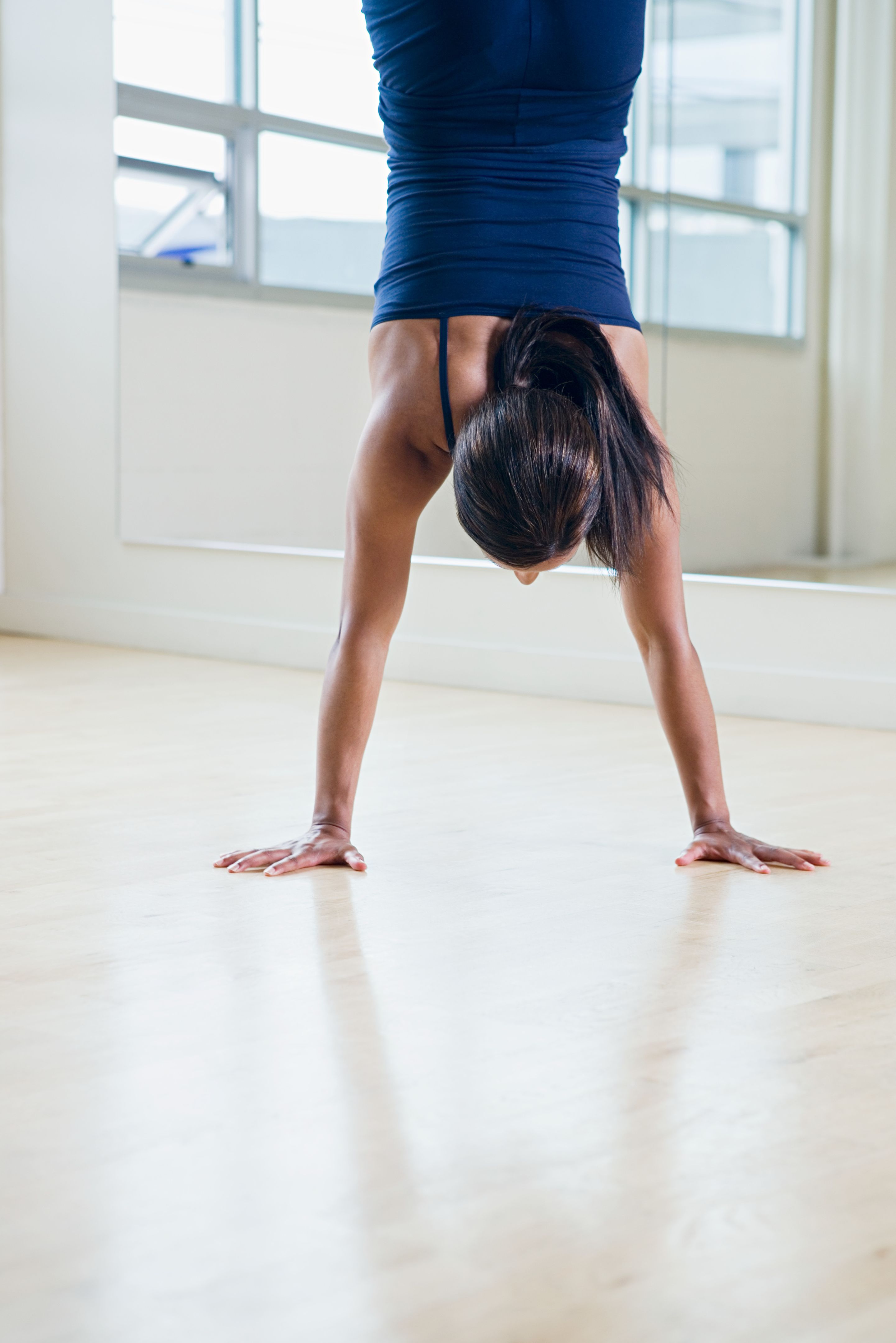
Regular exercise is essential for managing lymphedema. It helps stimulate lymphatic flow and reduces swelling. In winter, indoor exercises like yoga, swimming, or using a stationary bike can be excellent options. These activities are gentle on the joints and provide the necessary movement to aid lymphatic drainage.
Before starting any exercise program, consult with your healthcare provider to ensure it’s suitable for your condition.
Stay Hydrated
Despite the cold, it’s easy to become dehydrated in winter, which can affect your lymphatic system. Make sure to drink plenty of water throughout the day. Herbal teas can be a warming alternative if you find it difficult to consume cold drinks during the winter months.
Compression Garments: A Must
Wearing compression garments is a key component of lymphedema management. These garments help maintain pressure on the affected areas, promoting lymphatic fluid movement. Ensure your garments fit well and are in good condition. If necessary, consult a specialist to get appropriately fitted garments.
Remember, wearing these under your clothes can also provide an additional layer of warmth, which is beneficial during the cold season.
Seek Professional Guidance
Regular check-ups with a lymphedema specialist can help you manage your condition more effectively. They can provide personalized advice and adjustments to your management plan based on the seasonal changes. Don’t hesitate to reach out if you notice any changes in your symptoms.
By following these seasonal tips, you can better manage your lymphedema during the Canadian winters, reducing discomfort and improving your quality of life.