
Myths and Facts About Lymphedema: What You Need to Know


Understanding Lymphedema
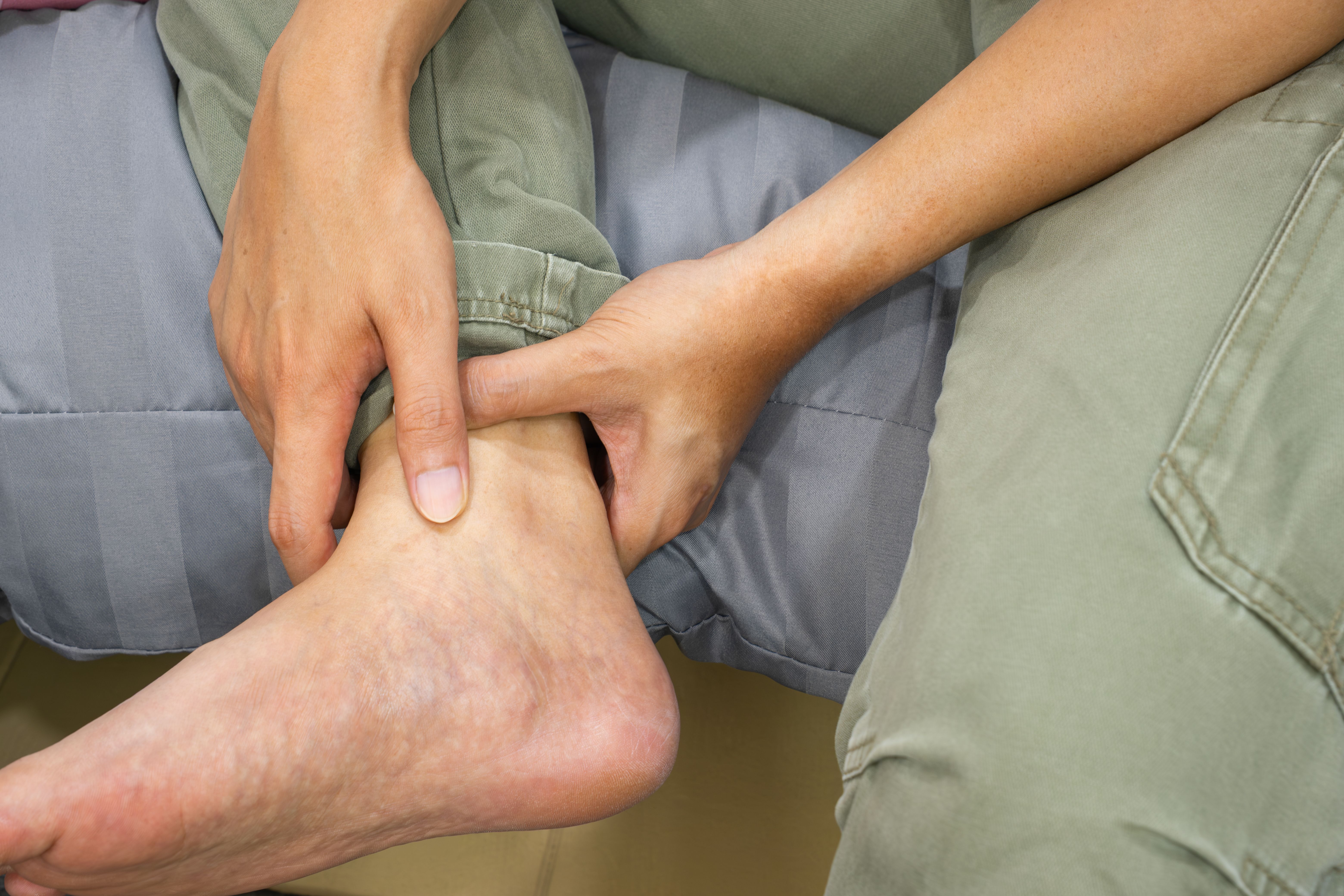
Lymphedema is a condition characterized by the swelling of body parts, usually the arms or legs, due to a blockage in the lymphatic system. It's a chronic condition that can significantly affect a person's quality of life. Although it is relatively common, there are many myths surrounding lymphedema that can lead to misunderstandings and mismanagement.

Myth: Lymphedema Only Affects Cancer Patients
While it is true that lymphedema often occurs after cancer treatments, such as surgery or radiation, it is not exclusive to cancer patients. Lymphedema can also be caused by infections, injuries, or genetic conditions. Understanding that anyone can be affected is crucial for early detection and treatment.
Fact: Early Diagnosis is Key
Early diagnosis and intervention are vital in managing lymphedema effectively. Recognizing symptoms like swelling, heaviness, or tightness in the limbs can lead to more successful treatment outcomes. Regular monitoring and consultations with healthcare professionals can help in managing the condition.

Common Myths Debunked
Myth: Exercise Worsens Lymphedema
Contrary to popular belief, exercise can actually be beneficial for those with lymphedema. Engaging in physical activity helps stimulate lymph fluid movement and can reduce swelling. However, it is essential to follow a tailored exercise plan under professional guidance to avoid any adverse effects.
Fact: Compression Garments are Effective
Compression garments play a significant role in managing lymphedema. They help in controlling swelling by encouraging lymph fluid flow and reducing discomfort. It's important to wear them consistently and ensure they fit properly for maximum effectiveness.
Treatment and Management
Myth: There is No Cure
While there is no definitive cure for lymphedema, it can be effectively managed with appropriate treatment. Options include manual lymphatic drainage, compression therapy, and lifestyle modifications. Patients can lead fulfilling lives with proper management strategies.
Fact: Diet and Hydration Matter
A balanced diet and adequate hydration are crucial for managing lymphedema. Reducing salt intake and maintaining a healthy body weight can help minimize swelling. Staying hydrated supports overall lymphatic function, aiding in symptom relief.

Conclusion
Understanding the myths and facts about lymphedema is essential for effective management and improving quality of life. By debunking misconceptions and embracing correct information, individuals can take proactive steps towards better health. If you suspect you have lymphedema, consult a healthcare professional for a comprehensive evaluation and personalized treatment plan.